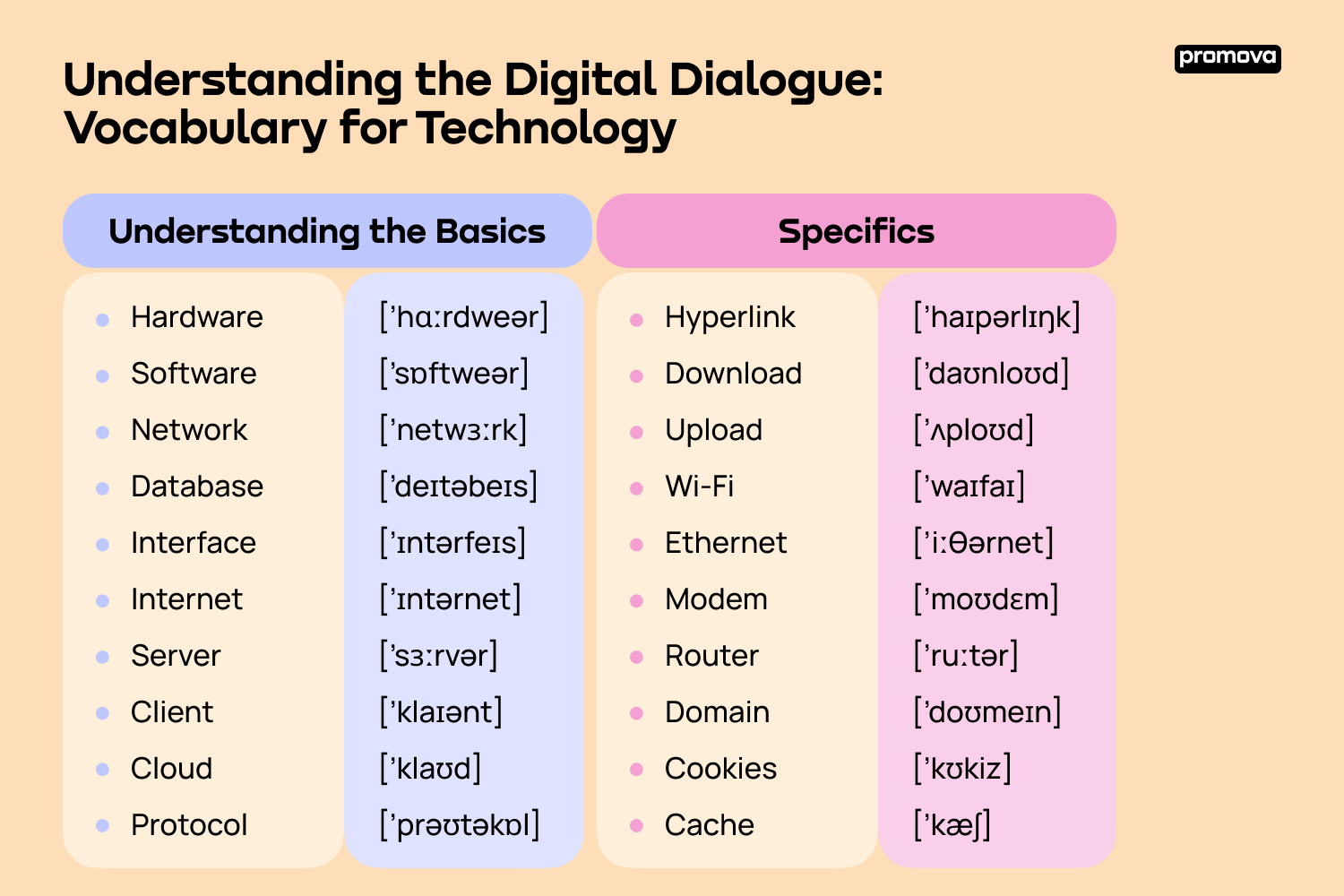
Technology in other words refers to the practice of describing technological concepts using alternative phrasing that simplifies or reframes the original term. For instance, calling a “smartphone” a “handheld digital companion” captures its core function while using everyday language. This approach bridges gaps between experts and laypeople, making complex ideas accessible.
Understanding technology in other words matters because it enhances communication, education, and adoption. When jargon is replaced with relatable language, audiences grasp benefits faster, leading to smoother implementation in fields ranging from healthcare to finance. Historically, the shift from technical manuals to user-friendly guides has accelerated innovation diffusion.
This article unpacks the key facets of rephrasing tech, examines practical implications, answers common questions, and offers actionable tips for clearer communication.
1. Simplifying Complex Concepts
Translating intricate systems into plain language reduces cognitive load. For example, describing cloud computing as “online storage that you can access from any device” helps non‑technical users understand its value without grappling with server architecture.
- Clarity Boost
Clear phrasing eliminates ambiguity, enabling quicker decision‑making. A marketing team at HubSpot reworded “lead nurturing automation” to “automated customer follow‑up” and saw a 15% increase in campaign engagement.
- Broader Reach
Simple terms attract wider audiences. When the World Health Organization described “telemedicine” as “remote doctor visits via video”, uptake in rural clinics surged.
- Training Efficiency
Employees learn faster when concepts are expressed in familiar language. A logistics firm replaced “IoT sensor network” with “connected tracking devices” and cut onboarding time by half.
The cause‑and‑effect chain is clear: simplification drives comprehension, which fuels adoption, ultimately accelerating innovation cycles.
2. Preserving Technical Accuracy
While simplifying, maintaining core meaning is crucial. Over‑generalization can lead to misconceptions, such as equating “AI” with “any computer program”. Accurate rephrasing balances accessibility with precision.
In practice, engineers at Tesla describe “autopilot” as “advanced driver assistance that handles steering and speed under supervision”, preserving safety nuances while remaining understandable.
3. Cultural and Linguistic Adaptation
Technology in other words must respect cultural contexts. A term that resonates in English may need adjustment for non‑English speakers. For instance, “cloud” translates poorly in some languages, prompting alternatives like “online workspace”.
- Localization
Adapting phrasing to local idioms improves acceptance. Alibaba’s Chinese platform uses “云计算” (cloud computing) but markets it as “网络数据服务” to align with regional expectations.
- Inclusive Language
Choosing gender‑neutral or disability‑aware terms broadens appeal. Replacing “computer‑savvy” with “tech‑confident” avoids alienating newcomers.
- Regulatory Alignment
Some jurisdictions require specific terminology for compliance. The EU’s GDPR mandates “personal data” instead of vague “user info”, influencing how companies phrase privacy policies.
These adaptations ensure messages resonate, fostering trust and legal conformity.
4. Enhancing Marketing Messaging
Reframing tech features as benefits drives conversion. A SaaS provider might rename “API endpoint” as “instant data connection” to highlight speed and ease.
Effective marketing swaps technical detail for outcome‑focused language, turning abstract specs into compelling narratives that motivate purchase decisions.
5. Educational Impact
Teachers who present “blockchain” as “digital ledger that records transactions securely” enable students to grasp its relevance without deep cryptographic knowledge.
- Engagement
Students stay interested when concepts relate to everyday life. A university course on “machine learning” described as “teaching computers to recognize patterns” saw higher enrollment.
- Retention
Memory improves when ideas are linked to familiar analogies. Explaining “virtual memory” as “extra workspace the computer creates using a hard drive” aids recall.
- Skill Transfer
Clear terminology equips learners to apply knowledge across domains, such as using “automation” concepts in both manufacturing and marketing.
Thus, thoughtful rephrasing elevates learning outcomes and prepares a versatile workforce.
6. Facilitating Cross‑Disciplinary Collaboration
Projects that unite engineers, designers, and business leaders benefit from shared language. Recasting “microservices architecture” as “modular building blocks that work independently” helps non‑technical stakeholders visualize system design.
This common ground reduces miscommunication, accelerates prototyping, and aligns goals across departments.
7. Future‑Proofing Communication
As technology evolves, new terms emerge. Continually updating alternative phrasing keeps communication current. For example, “edge computing” is now often described as “processing data close to where it’s generated” to differentiate it from cloud‑centric models.
Proactive redefinition ensures that audiences remain informed about emerging trends without being overwhelmed by jargon.
Frequently Asked Questions
Below are concise answers to common queries about rephrasing tech concepts.
Question 1: Why replace technical jargon with simpler language?
Simpler language lowers barriers to understanding, enabling faster decision‑making, broader adoption, and reduced training costs across diverse audiences.
Question 2: Can simplification distort meaning?
Yes, if core details are omitted. Effective rephrasing balances clarity with essential technical accuracy to avoid misconceptions.
Question 3: How many alternative terms should be used for one concept?
One clear alternative is sufficient; additional synonyms can confuse. Choose the phrasing that best matches the target audience’s familiarity.
Question 4: Does cultural adaptation affect SEO?
Localized phrasing improves relevance for regional searches, boosting organic visibility while respecting linguistic norms.
Question 5: What role does rephrasing play in marketing?
It transforms technical features into benefit‑focused messages, increasing appeal, click‑through rates, and conversion by speaking the customer’s language.
Question 6: How often should terminology be refreshed?
Review language quarterly or when major tech shifts occur, ensuring communication stays aligned with current industry standards and user expectations.
Practical Tips for Clear Tech Communication
Adopt these strategies to master technology in other words.
Tip 1: Identify the core benefit. Start with what the technology accomplishes, then craft a phrase that highlights that outcome.
Tip 2: Use familiar analogies. Compare new tech to everyday objects or processes to create instant mental models.
Tip 3: Keep sentences short. Brevity reduces cognitive load and maintains reader attention.
Tip 4: Test with a non‑technical audience. Gather feedback to ensure the alternative phrasing resonates and remains accurate.
Tip 5: Update regularly. Align terminology with evolving standards and emerging trends to stay relevant.
Tip 6: Leverage visual aids. Diagrams or icons paired with simple captions reinforce the rephrased message.
Tip 7: Document preferred alternatives. Maintain a style guide so all team members use consistent language across channels.
Conclusion
Rephrasing technology into everyday language—technology in other words—enhances clarity, drives adoption, and bridges gaps between experts and the public. By simplifying concepts, preserving accuracy, adapting culturally, and updating continuously, communication becomes more effective across education, marketing, and collaboration.
Embracing these practices ensures that as tech evolves, its benefits remain understandable and accessible, paving the way for broader innovation and societal impact.

