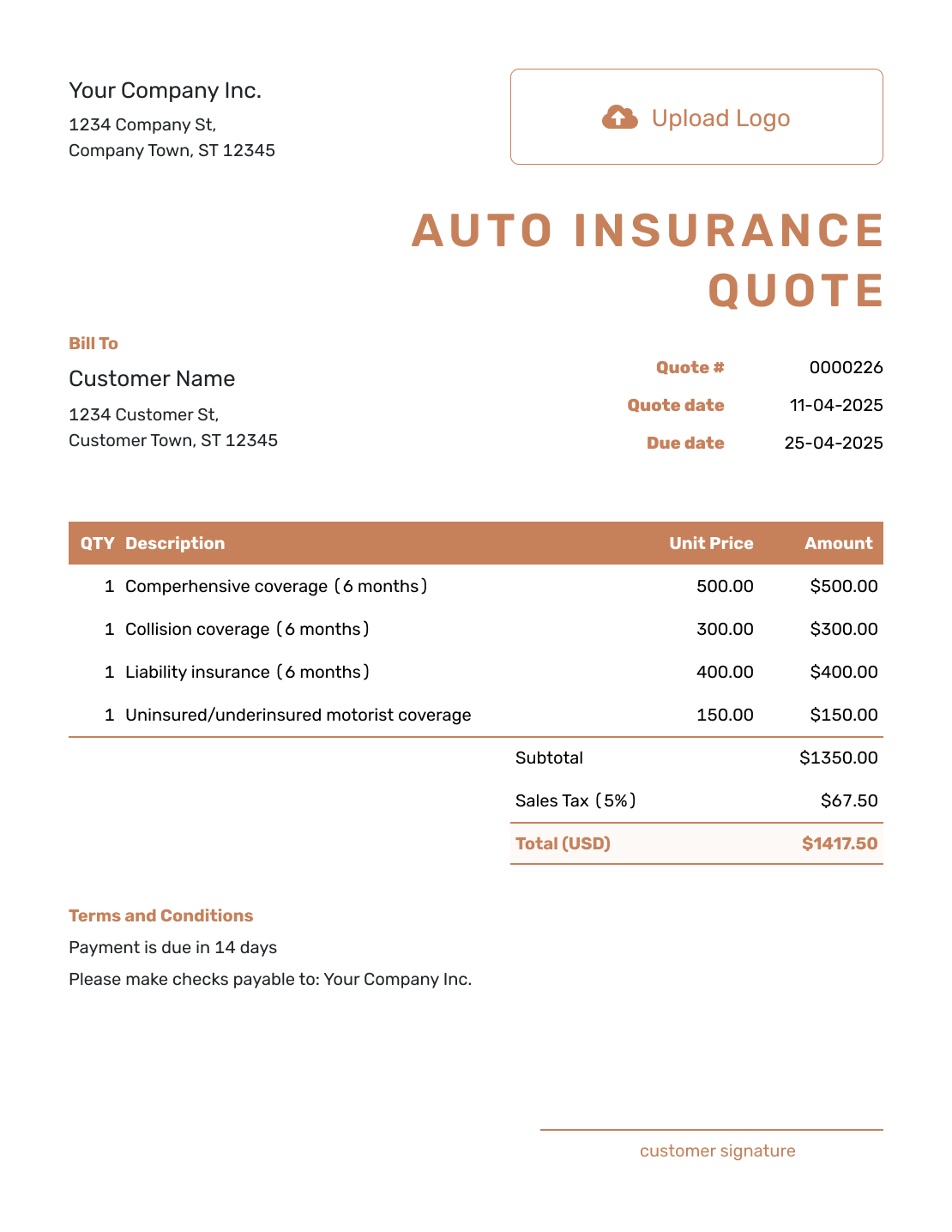
Auto insurance quote full coverage refers to an estimate provided by an insurer that includes liability, collision, and comprehensive protection for a vehicle. For example, a driver in Austin, Texas, entering zip code 78701 into an online portal may receive a quote of $1,250 annually that covers bodily injury, property damage, theft, and natural disasters.
Understanding this type of quote matters because it combines the most extensive protection layers, reducing out‑of‑pocket expenses after accidents or unforeseen events. Historically, full coverage emerged as a response to increasing vehicle values and the rise of multi‑vehicle households, prompting insurers to bundle coverage types for convenience and risk mitigation.
This article explores how pricing works, what factors influence rates, common mistakes, comparison tools, discount opportunities, and steps to lock in the best full coverage quote. Readers will leave equipped to evaluate options confidently and secure optimal protection.
1. Pricing Dynamics
Insurance premiums are calculated using actuarial models that weigh risk variables against expected claim costs. Higher vehicle values, younger drivers, and dense traffic zones typically raise rates, while safe‑driving records and low mileage reduce them. Understanding these dynamics helps predict how changes in personal circumstances affect the auto insurance quote full coverage.
- Risk Scoring
Insurers assign points for age, credit score, and driving history. A 22‑year‑old with a clean record may receive a lower score than a 45‑year‑old with multiple tickets, influencing the final quote.
- Vehicle Profile
Luxury models such as a 2023 BMW X5 cost more to repair, leading to higher collision and comprehensive premiums. Conversely, a 2015 Toyota Corolla often yields a modest quote.
- Geographic Factors
Urban areas experience higher theft and accident rates, raising the comprehensive portion of the quote. Rural drivers generally benefit from reduced exposure.
- Policy Limits
Choosing higher liability limits expands coverage but adds to the premium. A $100,000/$300,000 limit may increase the quote by 15% compared with a $50,000/$100,000 limit.
- Deductible Choices
Selecting a $500 deductible instead of $250 lowers the premium, reflecting the insurer’s reduced payout risk.
2. Common Mistakes
Many consumers overlook critical details when requesting an auto insurance quote full coverage, leading to inflated costs or insufficient protection. One frequent error is failing to disclose a secondary driver, which can trigger policy cancellation after a claim. Another is assuming that the lowest quote always provides the best value, ignoring coverage gaps such as uninsured motorist protection.
Additionally, neglecting to update the quote after major life events—marriage, relocation, or vehicle upgrades—prevents potential discounts. Accurate, up‑to‑date information ensures the quote reflects true risk and maximizes savings.
3. Discount Opportunities
- Multi‑Policy Bundle
Combining auto with homeowners or renters insurance often yields a 10‑15% reduction on the full coverage quote.
- Safe Driver Programs
Telematics devices that monitor braking and speed can qualify drivers for usage‑based discounts, sometimes lowering premiums by up to 20%.
- Good Student Discount
Students maintaining a GPA of 3.0 or higher may receive a 5% discount, reflecting lower statistical risk.
- Loyalty Rewards
Staying with the same insurer for several years can unlock renewal credits, reducing the full coverage quote without altering coverage limits.
- Affiliation Savings
Membership in professional organizations, alumni groups, or employer plans frequently offers exclusive rate reductions.
4. Comparison Tools
Online aggregators streamline the process of obtaining multiple auto insurance quote full coverage estimates in minutes. By entering standardized data—vehicle identification number, zip code, and driver details—users receive side‑by‑side comparisons of price, coverage limits, and deductible options.
However, not all carriers appear on every platform, so supplementing aggregator results with direct insurer inquiries ensures a comprehensive market view. Reading consumer reviews and checking state insurance department ratings further validates the reliability of quoted offers.
5. Policy Customization
Full coverage policies can be tailored to match individual risk tolerance and financial goals. Adding roadside assistance, rental reimbursement, or gap insurance expands protection beyond the standard trio of liability, collision, and comprehensive.
For instance, a driver who frequently rents cars during business trips may benefit from rental reimbursement, covering daily rental costs after a claim. Customizing the policy ensures the auto insurance quote full coverage aligns with lifestyle needs.
6. Claim Impact on Future Quotes
Filing a claim typically raises subsequent auto insurance quote full coverage amounts, as insurers adjust risk assessments. The magnitude of the increase depends on claim severity, frequency, and the driver’s overall profile.
Maintaining a claim‑free record for three to five years often restores premium levels, highlighting the importance of evaluating repair costs versus deductible amounts before initiating a claim.
7. State Regulations and Minimum Requirements
Each state mandates minimum liability limits, but full coverage exceeds these baselines. Understanding local statutes helps drivers avoid under‑insuring while still meeting legal obligations.
In California, for example, the minimum liability is $15,000 per person, yet many drivers opt for $250,000/$500,000 limits to protect assets, influencing the overall auto insurance quote full coverage.
Frequently Asked Questions
Below are common inquiries regarding full coverage estimates.
Question 1: How is a full coverage quote different from a liability‑only quote?
Full coverage includes collision and comprehensive protection in addition to liability, covering damage to the insured vehicle and non‑collision events, whereas liability‑only protects third parties but leaves the policyholder’s car uninsured for most incidents.
Question 2: Can the same vehicle receive different full coverage quotes from different insurers?
Yes, insurers weigh risk factors uniquely, leading to variations in pricing, discounts, and coverage options for identical vehicles and driver profiles.
Question 3: What role does credit score play in determining the quote?
Many states allow insurers to use credit-based insurance scores; higher scores suggest lower risk, often resulting in reduced premiums, while lower scores can increase the full coverage quote.
Question 4: Are there penalties for changing coverage limits after receiving a quote?
Adjusting limits typically recalculates the premium; increasing limits raises the quote, whereas decreasing them lowers it, but drastic reductions may affect eligibility for certain discounts.
Question 5: How often should a driver request a new full coverage quote?
Reviewing quotes annually or after major life events—such as moving, buying a new car, or adding a driver—helps capture potential savings and ensures coverage remains appropriate.
Question 6: Does bundling auto with other policies guarantee the lowest quote?
Bundling often provides discounts, but the combined price should be compared against standalone quotes to confirm it yields the best overall value.
10 Actionable Tips for Securing the Best Auto Insurance Quote Full Coverage
Below are practical steps to optimize the quoting process.
Tip 1: Verify vehicle identification. Use the exact VIN when entering data to ensure accurate model‑specific pricing.
Tip 2: Compare deductible levels. Higher deductibles lower premiums but require more out‑of‑pocket cash after a loss.
Tip 3: Update mileage estimates. Accurate annual mileage influences risk calculations and can reduce rates.
Tip 4: Leverage usage‑based programs. Install telematics if the insurer offers safe‑driving discounts.
Tip 5: Consolidate policies. Bundle home or renters insurance for multi‑policy savings.
Tip 6: Review discount eligibility. Check for good‑student, military, and affiliation discounts before finalizing.
Tip 7: Reassess coverage limits annually. Adjust limits to match evolving asset protection needs.
Tip 8: Maintain a clean driving record. Avoid tickets and accidents to keep future quotes low.
Tip 9: Shop during renewal windows. Insurers often present promotional rates near policy expiration.
Tip 10: Read fine print. Ensure exclusions, claim processes, and cancellation policies align with expectations.
Conclusion
The auto insurance quote full coverage landscape blends pricing dynamics, discount opportunities, and personalized policy options. By understanding risk factors, avoiding common pitfalls, and leveraging comparison tools, drivers can secure comprehensive protection at competitive rates.
Continual evaluation and strategic adjustments keep coverage aligned with life changes, ensuring long‑term financial security on the road.

