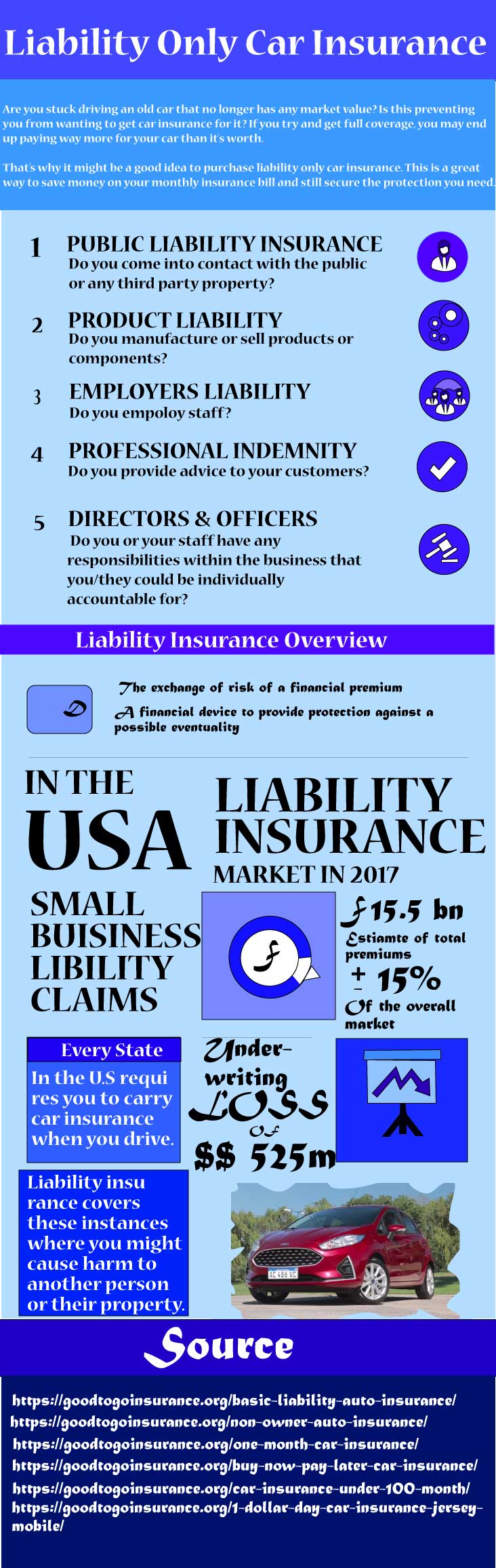
Auto insurance liability coverage only refers to a policy that exclusively covers damages and injuries the policyholder causes to others in an at-fault accident. For example, if a driver hits a pedestrian, liability insurance would pay for the pedestrian’s medical bills and lost wages, but not the driver’s own injuries or car repairs. This type of coverage is the legal minimum in most states, ensuring financial protection for third parties while keeping premiums affordable.
The importance of auto insurance liability coverage only lies in its dual role: compliance with state laws and risk mitigation. Since drivers are financially responsible for accidents they cause, liability insurance acts as a safeguard against lawsuits and excessive out-of-pocket expenses. Historically, such coverage emerged to address the growing number of motor vehicles and the need for standardized liability protection in the early 20th century. Today, it remains a cornerstone of auto insurance, offering a balance between cost and essential protection.
This article explores the nuances of auto insurance liability coverage only, including how it works, its limitations, and how to choose the right policy. Whether comparing it to full coverage or understanding state-specific requirements, the insights here help drivers make informed decisions.
1. How Liability Coverage Only Works
Liability coverage only operates on a straightforward principle: it covers damages inflicted on others when the insured driver is at fault. This includes bodily injury liability (BIL) and property damage liability (PDL). For instance, if a driver rear-ends another vehicle, their liability insurance would cover the other driver’s car repairs and medical expenses, up to the policy’s limits. However, it does not extend to the at-fault driver’s own vehicle or injuries, which is why many opt for additional coverage like collision or comprehensive.
State laws dictate the minimum liability limits, typically expressed as three numbers (e.g., 25/50/25). The first number represents bodily injury per person, the second for all injuries per accident, and the third for property damage. For example, in California, the minimum is 15/30/5, meaning $15,000 per person for injuries, $30,000 per accident, and $5,000 for property damage. These limits are critical because they cap the insurer’s payout, leaving the policyholder vulnerable to lawsuits if damages exceed the policy limits.
2. Key Components of Liability Coverage
- Bodily Injury Liability (BIL): Covers medical expenses, lost wages, and legal fees for injured third parties. For example, if a driver causes a crash that leaves a passenger with a $100,000 medical bill, BIL would pay up to the policy limit, preventing the at-fault driver from facing a crippling lawsuit.
- Property Damage Liability (PDL): Pays for repairs or replacement of damaged property, such as another vehicle or a fence. In a collision where a driver hits a $20,000 SUV, PDL would cover the repairs, but only up to the policy’s property damage limit.
- Legal Defense Costs: Many liability policies include coverage for legal fees if the policyholder is sued. This is invaluable in states with high litigation rates, as it ensures access to legal representation without draining personal savings.
- State-Mandated Limits: Each state sets minimum liability limits, which can vary significantly. For instance, Florida requires 10/20/10, while New York mandates 25/50/10. Understanding these limits helps drivers avoid underinsurance, which can lead to financial ruin in severe accidents.
- Uninsured/Underinsured Motorist Protection (Optional Add-On): While not part of basic liability coverage, this add-on bridges gaps when the at-fault driver lacks sufficient insurance. For example, if a driver with $10,000 in liability limits causes a $50,000 injury, the at-fault driver’s policy would be exhausted, and the victim could turn to their own uninsured motorist coverage.
3. Cost Factors for Liability-Only Policies
The cost of auto insurance liability coverage only is influenced by several variables, including the driver’s age, driving record, location, and the vehicle’s make and model. Younger drivers, for example, often face higher premiums due to their perceived higher risk of accidents. Similarly, drivers in urban areas with higher traffic density and accident rates may pay more than those in rural regions. The choice of liability limits also affects cost; higher limits increase premiums but provide greater financial protection.
Insurance providers use actuarial data to assess risk, meaning that factors like prior traffic violations, claims history, and even credit score can impact pricing. For instance, a driver with a single speeding ticket may see a 20% increase in premiums, while a clean record could qualify them for discounts. Comparing quotes from multiple insurers is essential, as rates can vary significantly between providers for the same coverage limits.
4. Liability vs. Full Coverage: Critical Differences
Auto insurance liability coverage only differs from full coverage in scope and cost. While liability insurance covers third-party damages, full coverage includes collision and comprehensive insurance, which protect the policyholder’s own vehicle. For example, if a driver hits a deer (a comprehensive claim) or rolls their car (a collision claim), full coverage would pay for repairs, whereas liability-only would not. This distinction is crucial for drivers with financed or leased vehicles, as lenders typically require full coverage to protect their collateral.
Full coverage policies also include additional protections like uninsured motorist coverage and medical payments coverage, which are optional in liability-only plans. However, the trade-off is higher premiums. For drivers with older vehicles or minimal assets, liability-only may suffice, but those with significant financial exposure should weigh the added cost against the enhanced protection.
5. State-Specific Liability Requirements
- No-Fault States: In states like Michigan and Florida, drivers carry personal injury protection (PIP) as part of their liability coverage, which covers medical expenses regardless of fault. This can reduce lawsuits but may increase premiums due to broader coverage requirements.
- At-Fault States: States such as California and Texas require drivers to prove fault in accidents, making liability insurance critical for covering third-party claims. The minimum limits in these states are often lower, which can leave drivers underinsured in high-cost accidents.
- Financial Responsibility Laws: Some states, like Virginia, allow drivers to post cash bonds or deposits instead of purchasing insurance, but this practice is rare and risky. Liability coverage remains the standard for compliance and financial protection.
- Minimum vs. Recommended Limits: While states set minimum liability limits, experts often recommend higher limits (e.g., 100/300/100) to account for catastrophic injuries or lawsuits. For instance, a $1 million medical bill could wipe out a policyholder’s savings if their liability limits are only $30,000 per accident.
- Penalties for Non-Compliance: Driving without liability insurance can result in fines, license suspension, or even jail time in some states. For example, New Jersey imposes a $300-$1,000 fine and mandatory insurance reinstatement for uninsured drivers caught in violations.
6. Common Misconceptions About Liability Coverage
One widespread misconception is that auto insurance liability coverage only protects the policyholder’s own vehicle or injuries. In reality, it only covers damages to others, leaving the at-fault driver responsible for their own repairs or medical bills. Another myth is that liability insurance is sufficient in all scenarios, particularly for drivers with valuable assets. For example, a policyholder with a $50,000 liability limit could face a lawsuit for the remaining $450,000 if they cause a $500,000 injury claim.
Additionally, many assume that rental car insurance is unnecessary if they have liability coverage, but rental policies often require primary insurance. Without it, the policyholder could be held liable for damages to the rental vehicle, even if they were not at fault. Clarifying these misunderstandings helps drivers avoid costly oversights.
7. When to Upgrade from Liability-Only
Drivers should consider upgrading from auto insurance liability coverage only to full coverage in several scenarios. Owning a financed or leased vehicle is a primary reason, as lenders mandate collision and comprehensive insurance to protect their investment. For example, if a driver totals a leased car worth $30,000, their liability-only policy won’t cover the loss, leaving them liable for the full amount. Similarly, drivers with high-net-worth assets or significant savings may benefit from higher liability limits or an umbrella policy to shield their wealth from lawsuits.
Another scenario is living in an area prone to theft, vandalism, or natural disasters. Comprehensive coverage would reimburse the policyholder for damages to their vehicle from such events, whereas liability-only would not. Evaluating personal risk factors and financial exposure helps determine whether the added cost of full coverage is justified.
8. How to Lower Liability-Only Premiums
Reducing the cost of auto insurance liability coverage only involves several strategies, such as maintaining a clean driving record, bundling policies (e.g., combining auto and home insurance), and choosing a higher deductible. For instance, a driver with a perfect record for five years may qualify for a safe-driver discount of 10-20% off their premium. Additionally, shopping around and comparing quotes from multiple insurers can reveal significant savings, as rates can vary by up to 30% for the same coverage.
Other cost-saving measures include selecting a vehicle with a lower insurance risk rating, such as a Honda Civic over a luxury sports car, and enrolling in usage-based insurance programs that monitor driving habits. For example, Progressive’s Snapshot program offers discounts to drivers who demonstrate safe behavior through telematics data. Implementing these tactics can make liability-only insurance more affordable without sacrificing essential protection.
Frequently Asked Questions
Common questions about auto insurance liability coverage only often revolve around its scope, costs, and legal implications.
Question 1: Does liability coverage pay for my injuries if I’m at fault?
No, liability coverage only pays for injuries or damages to others when the policyholder is at fault. For personal injuries or vehicle repairs, additional coverage like medical payments or collision insurance is required.
Question 2: Can I be sued if my liability limits are too low?
Yes, if damages exceed your liability limits, the injured party can sue for the remaining amount. For example, with $25,000 bodily injury limits, a $100,000 medical bill could leave the policyholder responsible for $75,000.
Question 3: Does liability insurance cover damage to my car?
No, liability insurance does not cover the policyholder’s vehicle. For that, collision or comprehensive insurance is needed, which pays for repairs or replacement due to accidents or non-collision events like theft or hail.
Question 4: What happens if I don’t have liability insurance?
Driving without liability insurance is illegal in most states and can result in fines, license suspension, or vehicle impoundment. Additionally, the policyholder would be personally liable for all accident-related damages.
Question 5: Can I increase my liability limits later?
Yes, policyholders can adjust their liability limits at any time, typically during their policy’s renewal period or by contacting their insurer. Higher limits provide better protection but increase premiums.
Question 6: Does liability insurance cover rental cars?
Liability insurance may cover rental cars, but some rental companies require primary insurance. Checking the rental agreement and confirming coverage with the insurer ensures compliance and avoids unexpected expenses.
10 Tips to Optimize Liability-Only Coverage
Maximizing the value of auto insurance liability coverage only requires strategic choices and proactive measures.
Tip 1: Know Your State’s Minimum Limits. Research the required liability limits in your state and compare them to recommended limits (e.g., 100/300/100) to avoid underinsurance.
Tip 2: Bundle Policies for Discounts. Combining auto insurance with home, renters, or life insurance often reduces premiums by 10-20%. Insurers like State Farm and Allstate frequently offer multi-policy discounts.
Tip 3: Maintain a Clean Driving Record. Avoiding tickets and accidents keeps premiums low. A single at-fault accident can increase rates by 40% or more for three to five years.
Tip 4: Choose a Higher Deductible. Opting for a higher deductible (e.g., $1,000 instead of $500) lowers premiums, but ensure the deductible is affordable in case of a claim.
Tip 5: Compare Quotes Annually. Insurance rates fluctuate, so requesting new quotes every year can uncover better deals. Online tools like NerdWallet and The Zebra simplify comparisons.
Tip 6: Ask About Usage-Based Discounts. Programs like Progressive’s Snapshot or State Farm’s Drive Safe & Save use telematics to monitor driving habits and reward safe behavior with lower premiums.
Tip 7: Select a Safe Vehicle. Cars with high safety ratings and low repair costs, such as the Subaru Outback or Toyota Camry, typically have lower insurance premiums.
Tip 8: Pay Premiums in Full. Some insurers offer discounts (5-10%) for paying the annual premium upfront rather than monthly, reducing administrative fees.
Tip 9: Review Coverage After Major Life Changes. Events like moving, marriage, or purchasing a new car may require adjusting liability limits or adding coverage.
Tip 10: Consider an Umbrella Policy. For high-net-worth individuals, an umbrella policy extends liability coverage beyond auto insurance, providing an additional layer of protection for lawsuits.
Conclusion
Understanding auto insurance liability coverage only is essential for drivers seeking affordable yet compliant protection. This type of policy ensures financial responsibility for third-party damages while keeping costs manageable, but its limitations—such as lack of coverage for the policyholder’s own vehicle or injuries—highlight the need for careful evaluation. By comparing state requirements, upgrading when necessary, and optimizing premiums through discounts and safe driving, drivers can balance cost and protection effectively.
As auto technology and liability laws evolve, staying informed about coverage options ensures drivers remain protected without overpaying. Whether maintaining liability-only or exploring full coverage, the key lies in aligning the policy with personal risk and financial goals.

