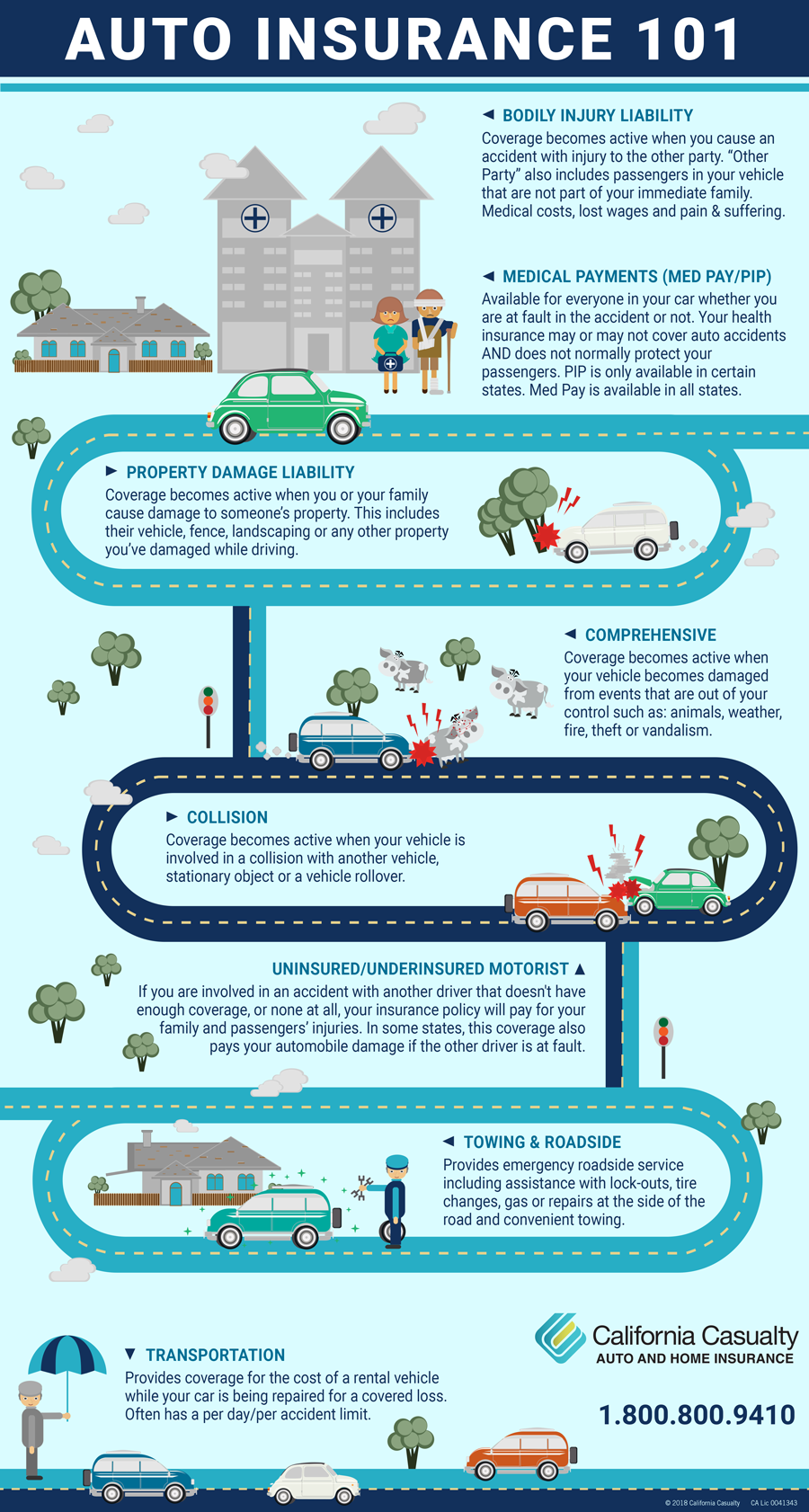
auto insurance for dummies demystifies vehicle coverage by breaking down policies into plain language, such as a 30‑year‑old driver in Ohio selecting a liability plan after a minor fender‑bender.
Understanding this type of coverage matters because it protects against financial loss, complies with legal mandates, and has evolved from simple liability mandates in the early 1900s to comprehensive risk‑management products today.
The following sections clarify core concepts, pricing factors, common pitfalls, and actionable strategies, ensuring readers can navigate policies with confidence.
1. Understanding Coverage Types
Liability insurance covers bodily injury and property damage caused to others, while collision protects the insured vehicle from crashes with another object. Comprehensive adds fire, theft, and natural‑disaster coverage, and medical payments address minor injuries regardless of fault. Uninsured motorist coverage steps in when another driver lacks insurance.
For example, a driver in California who sustains a $5,000 windshield breakage would claim under comprehensive, whereas a rear‑end collision in Texas would draw on collision and liability limits.
2. Pricing Dynamics
- Base Premium
Represents the starting cost before adjustments; a 35‑year‑old driver with a clean record may see a base premium of $900 annually.
- Risk Score
Calculated from driving history, credit rating, and vehicle model; a sports car typically raises the score, increasing the premium.
- Deductible Choice
Selecting a higher deductible, such as $1,000 instead of $500, reduces monthly payments but raises out‑of‑pocket expense after a claim.
- Coverage Limits
Higher limits expand protection but add to the premium; opting for $250,000/ $500,000 liability instead of $100,000/$300,000 raises costs proportionally.
- Seasonal Adjustments
Winter months in northern states often increase rates due to higher accident likelihood, reflecting actuarial data.
3. auto insurance for dummies
This section serves as a practical guide, translating policy language into everyday terms. When a policy mentions “bodily injury per person,” it refers to the maximum payout for a single injured individual, not the total claim.
Reading the declarations page reveals limits, deductibles, and the effective dates; matching these details with personal needs prevents costly gaps in protection.
4. Common Mistakes to Avoid
- Ignoring Minimum State Requirements
Purchasing only the statutory minimum can leave drivers under‑covered after a severe accident, leading to out‑of‑pocket expenses.
- Over‑Insuring Rarely Driven Cars
Insuring a weekend‑only vehicle with full collision coverage often wastes premium dollars; a liability‑only policy may suffice.
- Skipping Discount Review
Many insurers offer loyalty, bundling, or safe‑driver discounts that lapse if not actively renewed each policy term.
- Assuming All Drivers Covered
Adding occasional drivers without updating the policy can result in denied claims if an accident occurs.
- Neglecting Policy Updates
Life changes—marriage, new vehicle, address shift—should trigger a policy review to maintain accurate coverage.
5. State Regulations and Requirements
Each state sets its own minimum liability thresholds; for instance, Florida mandates $10,000 per person bodily injury, while New York requires $25,000 per person and $50,000 per accident. Understanding these differences prevents illegal under‑insurance.
Some states, such as Michigan, have unique no‑fault statutes that affect claim handling and premium calculations, making regional knowledge essential for policy selection.
6. Discount Strategies
- Safe‑Driver Record
Maintaining a clean driving history for three consecutive years often unlocks a 10‑15% reduction.
- Multi‑Vehicle Bundle
Insuring two or more cars under a single policy typically yields a bundled discount, lowering the overall cost.
- Good Credit Score
Insurers use credit-based insurance scores; a score above 750 can shave several hundred dollars off the annual premium.
- Anti‑Theft Devices
Installing alarms or GPS trackers signals reduced theft risk, prompting manufacturers to offer up to 5% off.
- Pay‑In‑Full Discount
Choosing to pay the entire year upfront eliminates monthly financing fees, resulting in modest savings.
7. Claims Process Simplified
After an incident, the first step is to document damage, exchange information, and notify the insurer within the policy’s reporting window, usually 24‑48 hours. Prompt reporting accelerates claim assignment.
The insurer then assigns an adjuster, evaluates repair estimates, and issues a settlement based on coverage limits and deductible obligations. Understanding each stage reduces frustration and ensures fair compensation.
Frequently Asked Questions
Below are concise answers to frequent queries about auto insurance basics.
Question 1: What basic coverage does auto insurance provide?
Core coverage includes liability for bodily injury and property damage, collision for vehicle repair after an accident, comprehensive for non‑collision events, medical payments for minor injuries, and uninsured motorist protection for accidents involving drivers without insurance.
Question 2: How is the premium amount calculated?
Premiums derive from a base rate adjusted for risk factors such as driver age, driving record, credit score, vehicle type, mileage, deductible selection, and applicable discounts, all weighted by actuarial data specific to the insurer.
Question 3: When should a policy be reviewed or updated?
Policy reviews are advisable after major life events—marriage, relocation, vehicle purchase, or changes in driving frequency—and annually to capture new discount opportunities or regulatory updates.
Question 4: Which discounts are most commonly available?
Typical discounts include safe‑driver, multi‑vehicle, multi‑policy (bundling home and auto), good credit, anti‑theft device, and pay‑in‑full options; eligibility varies by insurer and jurisdiction.
Question 5: What steps follow an accident claim?
After reporting, an adjuster inspects damage, gathers repair estimates, and determines liability. The insurer then issues a settlement payment minus the deductible, and the policyholder arranges vehicle repairs.
Question 6: How do state minimums differ across the US?
Minimum liability limits range widely; for example, Florida requires $10,000 per person, while New York mandates $25,000 per person and $50,000 per accident. Some states impose additional personal injury protection requirements.
Tips for Smart Auto Insurance
Implementing a few disciplined actions can lower costs and improve protection.
Tip 1: Compare multiple quotes. Shopping across at least three carriers reveals pricing gaps and feature differences.
Tip 2: Increase deductible wisely. Raising the deductible reduces premium, but ensure the amount remains affordable in an emergency.
Tip 3: Bundle policies. Combining auto with home or renters insurance often unlocks multi‑policy discounts.
Tip 4: Maintain a clean driving record. Avoiding tickets and accidents directly lowers risk‑based pricing.
Tip 5: Review credit reports. Correcting errors can improve the insurance score and reduce rates.
Tip 6: Install anti‑theft technology. Devices such as alarms or GPS trackers signal reduced theft risk to insurers.
Tip 7: Reassess coverage annually. Adjust limits and discounts to reflect changes in vehicle value or personal circumstances.
Tip 8: Ask about loyalty incentives. Long‑term customers may qualify for additional savings not advertised publicly.
Conclusion
The article outlined essential coverage types, pricing influences, common errors, regulatory nuances, discount opportunities, and claim procedures, forming a comprehensive foundation for anyone seeking clarity on auto insurance for dummies.
Armed with this knowledge, drivers can select appropriate policies, optimize costs, and navigate the claims journey with confidence, ensuring continued protection on every road ahead.

