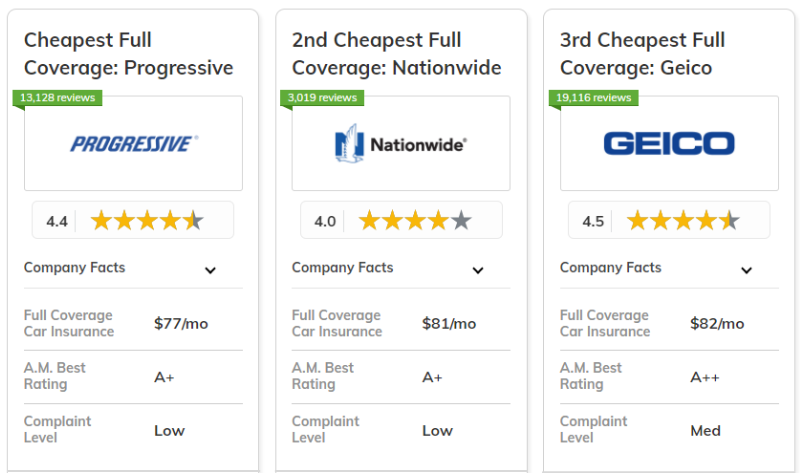
Auto insurance cheap full coverage refers to a policy that combines the most comprehensive protection levels with a price point that remains affordable for the average driver. For example, a 30‑year‑old driver in Ohio might pay $1,200 annually for a plan that includes liability, collision, comprehensive, medical payments, and uninsured motorist coverage, while still qualifying for multiple discounts that keep the premium well below the state average.
The importance of securing such a balance lies in the ability to mitigate financial loss after an accident while maintaining a sustainable budget. Historically, full‑coverage policies were considered a luxury reserved for high‑value vehicles, but market competition and data‑driven underwriting have broadened access, allowing more motorists to protect themselves comprehensively without excessive expense.
This article explores pricing dynamics, essential coverage components, discount opportunities, regulatory considerations, provider selection, and claim management. Each section offers actionable insights, real‑world examples, and practical steps to achieve an optimal blend of cost and coverage.
1. Pricing Dynamics
- Risk‑Based Scoring
Insurers calculate premiums using actuarial models that weigh driver age, vehicle type, and driving history. A 45‑year‑old sedan driver in Florida typically receives a lower base rate than a 22‑year‑old sports car driver, reflecting differing risk profiles.
- Geographic Adjustment
Location influences rates due to factors such as traffic density and crime statistics. Residents of metropolitan Detroit often see higher premiums than those in rural Michigan, prompting policyholders to consider zip‑code specific discounts.
- Coverage Layering
Adding collision and comprehensive to a liability‑only plan raises the premium, but bundling these layers often unlocks multi‑policy discounts that offset the increase.
- Seasonal Promotions
Many carriers launch limited‑time offers during renewal periods, providing up to 15% off for new customers who switch from a competitor.
2. Coverage Components
- Liability Protection
Mandated in every state, liability covers bodily injury and property damage to third parties. A driver in Texas who causes a $30,000 injury claim relies on this core component to avoid out‑of‑pocket costs.
- Collision Coverage
Pays for damage to the insured vehicle after a crash with another object. A driver in Colorado who collides with a roadside barrier benefits from collision coverage to repair repairable damage without a deductible waiver.
- Comprehensive Coverage
Addresses non‑collision events such as theft, fire, or natural disasters. In hurricane‑prone Louisiana, comprehensive coverage often proves essential for rebuilding after storm damage.
- Medical Payments
Provides immediate cash for medical expenses regardless of fault. A passenger in a minor fender‑bender can receive prompt care without waiting for liability adjudication.
- Uninsured/Underinsured Motorist
Protects against drivers lacking sufficient insurance. In states with low insurance penetration, this coverage can be the difference between full recovery and financial strain.
3. Discount Strategies
- Multi‑Policy Bundle
Combining auto with home or renters insurance frequently yields a 10‑20% reduction. A family in Arizona that bundles both policies enjoys lower overall costs while maintaining full coverage.
- Safe Driver Programs
Telematics devices monitor braking, acceleration, and mileage. Drivers who maintain steady habits can earn up to 25% off their premiums, as demonstrated by a Chicago fleet that reduced rates through a usage‑based program.
- Good Student Discount
Students maintaining a GPA of 3.5 or higher often qualify for reduced rates, reflecting lower risk associated with disciplined behavior.
- Loyalty and Tenure
Long‑standing customers may receive a loyalty credit, especially when claim history remains clean over multiple years.
- Pay‑In‑Full Savings
Settling the annual premium in a single transaction eliminates installment fees, typically saving 2‑5% of the total cost.
4. State Regulations
Each state dictates minimum liability limits and may require additional coverages such as personal injury protection (PIP) or uninsured motorist bodily injury. For instance, New York mandates PIP, while Florida emphasizes uninsured motorist coverage due to a high rate of uninsured drivers.
Regulatory nuances also affect discount eligibility. Some states prohibit gender‑based pricing, limiting insurers to use only driving behavior and vehicle data when calculating rates. Understanding these rules helps consumers navigate the market without inadvertently paying for prohibited rating factors.
5. Auto Insurance Cheap Full Coverage
Achieving an auto insurance cheap full coverage plan involves balancing the breadth of protection with cost‑saving measures. Selecting a reputable carrier that offers a robust discount portfolio, while ensuring that essential coverages meet personal risk exposure, creates a sustainable insurance solution.
Real‑world examples illustrate success: a 38‑year‑old teacher in Ohio combined a safe‑driver discount, multi‑policy bundle, and a modest deductible to secure a full‑coverage policy for $950 annually—well below the state average for comparable coverage.
6. Provider Selection
Comparing insurers requires more than price checks; financial strength, claims satisfaction scores, and digital service capabilities influence overall value. Companies such as State Farm, GEICO, and Progressive consistently rank high in consumer surveys for claim handling efficiency.
Evaluating policy language for exclusions, deductible options, and optional add‑ons ensures that the selected provider aligns with the driver’s risk tolerance and budget constraints.
7. Claim Management
Effective claim handling begins with prompt documentation: photographs, police reports, and witness statements. Insurers that provide mobile claim filing apps accelerate the process, reducing the time to settlement.
Maintaining a clean claim history also preserves future premium discounts. A driver who files a single comprehensive claim for hail damage and avoids subsequent accidents typically retains lower rates than a counterpart with multiple liability claims.
Frequently Asked Questions
Below are common inquiries regarding affordable full‑coverage auto policies.
Question 1: How can a driver lower the cost of full‑coverage auto insurance?
By bundling policies, maintaining a high credit score, enrolling in safe‑driver programs, and selecting higher deductibles, drivers can reduce premiums while preserving essential protection.
Question 2: Are cheap full‑coverage policies less reliable?
Price alone does not dictate reliability; reputable carriers offer competitive rates alongside strong claims service. Evaluating financial ratings and customer reviews is essential.
Question 3: What minimum coverages are required for full coverage?
Full coverage typically includes liability, collision, and comprehensive protection, though state mandates may add personal injury protection or uninsured motorist coverage.
Question 4: Does increasing the deductible affect claim approval?
Higher deductibles lower premium costs but increase out‑of‑pocket expense at claim time. Approval processes remain unchanged; only the payout amount differs.
Question 5: Can telematics devices guarantee lower rates?
Telematics provide data that can qualify drivers for usage‑based discounts, but eligibility depends on driving behavior and the insurer’s program criteria.
Question 6: How often should a policy be reviewed for savings?
Annual reviews are advisable, especially after life changes such as moving, purchasing a new vehicle, or improving credit, as these factors can unlock additional discounts.
Tips for Saving on Full Coverage
Implementing targeted actions can significantly reduce premium expenses.
Tip 1: Increase deductible. Raising the deductible by $200 lowers the annual premium while maintaining full protection.
Tip 2: Bundle policies. Combine auto with home or renters insurance to secure multi‑policy discounts.
Tip 3: Use telematics. Enroll in a usage‑based program to earn safe‑driver credits.
Tip 4: Maintain a clean driving record. Avoid accidents and violations to preserve low‑risk status.
Tip 5: Shop annually. Compare quotes each renewal cycle to capture competitive offers.
Tip 6: Pay in full. Settle the yearly premium in one payment to eliminate installment fees.
Tip 7: Leverage loyalty discounts. Long‑term customers may receive retention credits from carriers.
Tip 8: Opt for electronic documents. Many insurers reduce rates for paperless policy delivery.
Tip 9: Verify eligibility for student discounts. High‑GPA students often qualify for reduced rates.
Tip 10: Reduce optional add‑ons. Eliminate unnecessary roadside assistance if already covered elsewhere.
Tip 11: Choose a vehicle with lower repair costs. Cars with strong safety ratings and inexpensive parts attract lower premiums.
Tip 12: Update mileage estimates. Accurate low‑mileage reporting can unlock usage discounts.
Tip 13: Review credit reports. Correct errors to improve credit‑based pricing.
Tip 14: Ask about group rates. Employer or association affiliations sometimes provide exclusive discounts.
Tip 15: Explore state‑run programs. Certain states offer low‑cost options for high‑risk drivers.
Tip 16: Reassess coverage limits. Adjust limits to reflect actual asset values, avoiding over‑insuring.
Tip 17: Monitor policy renewal notices. Early awareness of changes prevents unexpected premium hikes.
Conclusion
The examined aspects demonstrate that securing auto insurance cheap full coverage is achievable through strategic selection of coverages, diligent discount utilization, and informed provider comparison. By understanding pricing dynamics, essential components, and regulatory influences, drivers can craft policies that safeguard assets without imposing financial strain.
Continued vigilance in reviewing renewals, embracing emerging discount programs, and adapting to life changes ensures that full‑coverage protection remains both comprehensive and affordable for years to come.

