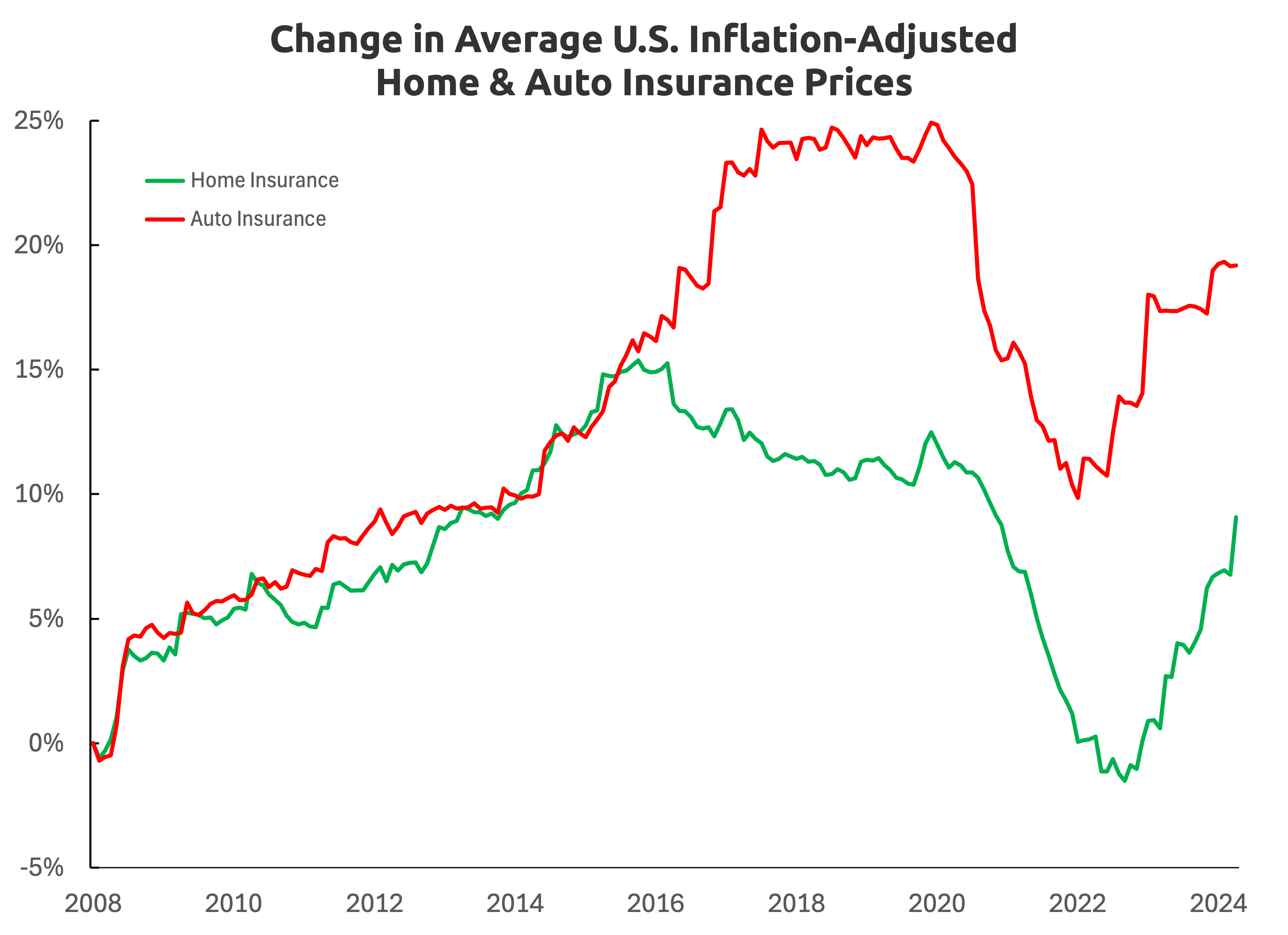

Auto and home insurance rates represent the combined premiums charged for vehicle and residential property coverage, often quoted as a single bundled amount. For example, a family in Ohio might pay $1,200 annually for auto protection and $850 for home coverage, resulting in a bundled rate of $2,050.
Understanding these rates matters because they directly affect household budgets, risk management strategies, and long‑term financial stability. Historically, insurers relied on actuarial tables and limited data, but modern analytics incorporate driving behavior, home improvements, and even weather patterns, creating more personalized pricing.
This article explores the mechanics behind rate calculation, common pitfalls, regional influences, discount opportunities, and effective bundling tactics. Readers will gain actionable insights to evaluate quotes, negotiate better terms, and ultimately reduce insurance expenses.
1. Pricing Dynamics
- Base Premium Calculation
Insurers start with a foundational rate derived from industry averages and claim histories. A driver with a clean record in Texas might see a base auto premium of $900, while a homeowner in the same state could face a base home premium of $750.
- Experience Rating Adjustments
Years of driving or homeownership influence discounts or surcharges. A ten‑year veteran driver often receives a 10% reduction, whereas a first‑time homeowner may encounter a higher initial charge.
- Coverage Limits and Deductibles
Choosing higher liability limits raises the premium, while opting for a larger deductible can lower it. For instance, increasing the deductible on a home policy from $500 to $1,000 may shave off $100 annually.
- Policy Endorsements
Adding optional coverages such as flood insurance or roadside assistance adds to the overall rate. A coastal homeowner might add a flood rider costing $250 per year.
2. Risk Factors
- Driving Behavior
Telematics devices track speed, braking, and mileage. Safe driving data can cut auto premiums by up to 15%, as demonstrated by a Michigan driver who saved $180 after a year of monitored behavior.
- Home Construction Materials
Homes built with fire‑resistant materials typically attract lower rates. A brick house in California may receive a 5% discount compared with a wooden structure in the same zip code.
- Location Crime Rates
Neighborhood crime statistics affect both auto theft and home burglary premiums. Residents of low‑crime suburbs often enjoy a combined discount of 7% on bundled policies.
- Credit Scores
Many insurers use credit‑based insurance scores to predict claim likelihood. A strong credit score can lower auto and home rates by 10% or more.
3. Discount Opportunities
Multi‑policy bundling remains one of the most effective ways to lower overall costs. Insurers frequently offer a 10‑15% reduction when auto and home coverages are purchased together, as seen with a family in Florida who saved $300 annually by bundling.
Loyalty discounts reward long‑term customers, often providing a modest 5% credit after three consecutive years without a claim. Additionally, safe‑driver programs, anti‑theft device installations, and energy‑efficient home upgrades each contribute incremental savings.
4. Regional Variations
- Weather‑Related Risks
Areas prone to hurricanes, earthquakes, or severe winters see higher home premiums. A coastal property in Louisiana may pay 20% more than a similar inland home.
- Traffic Density
Urban centers with heavy traffic increase auto accident probabilities, leading to elevated rates. A driver in New York City might face a premium 12% higher than a suburban counterpart.
- State Regulations
Minimum coverage requirements differ by state, influencing baseline rates. California mandates higher uninsured motorist limits, raising average auto premiums compared with neighboring states.
- Local Repair Costs
Regions with higher labor rates for vehicle and home repairs reflect those expenses in policy pricing. A repair shop in Seattle charges more per hour than one in Boise, affecting insurance cost calculations.
5. Bundling Benefits
Bundling not only reduces price but also simplifies claim management by consolidating communication with a single insurer. Policyholders often receive a single deductible structure, streamlining out‑of‑pocket expenses during a loss event.
Furthermore, bundled policies can unlock exclusive coverage options unavailable to stand‑alone customers, such as identity theft protection tied to both auto and home plans. This added value enhances overall risk mitigation.
6. Auto and Home Insurance Rates Overview
Examining the interplay between auto and home insurance rates reveals that insurers view the two lines of coverage as complementary risk indicators. A driver who maintains a well‑kept vehicle and a secure residence signals lower overall liability, prompting favorable pricing adjustments.
Market trends indicate a gradual shift toward usage‑based insurance for automobiles and smart‑home technology for residences, both of which promise more granular rate customization. Consumers who adopt these innovations can anticipate more transparent and potentially lower auto and home insurance rates in the coming years.
Frequently Asked Questions
Below are concise answers to common inquiries about auto and home insurance rates.
Question 1: How are bundled discounts calculated?
Insurers compare the total cost of separate policies against a combined quote, then apply a percentage reduction based on risk overlap and loyalty criteria, typically ranging from 10% to 15%.
Question 2: Does a higher credit score always lower premiums?
While a strong credit score generally signals lower risk and can reduce premiums, insurers also weigh driving history, claim frequency, and property characteristics, so the effect varies.
Question 3: What impact does installing a home security system have?
A monitored security system often yields a 5% to 10% discount on the home portion of a bundled policy, reflecting reduced burglary and fire risk.
Question 4: Are telematics programs worth the potential savings?
Drivers with consistent safe‑driving habits can save 10% to 20% on auto premiums; however, privacy‑concerned individuals should weigh data sharing against monetary benefits.
Question 5: How do natural disasters affect rates?
Regions with high exposure to hurricanes, earthquakes, or floods see elevated home premiums due to increased claim probability, and insurers may require additional riders for adequate coverage.
Question 6: Can changing deductibles influence both policies?
Increasing deductibles on either auto or home coverage reduces the corresponding premium; when both are adjusted, the combined effect can produce a noticeable overall cost reduction.
Tips
Implementing small changes can produce meaningful savings on insurance costs.
Tip 1: Review policy annually. Market rates shift, and a yearly audit ensures the most competitive pricing.
Tip 2: Increase deductibles strategically. Higher deductibles lower premiums while maintaining essential coverage.
Tip 3: Install anti‑theft devices. Both vehicle alarms and home security systems trigger discount eligibility.
Tip 4: Maintain a clean driving record. Accident‑free years directly reduce auto premium calculations.
Tip 5: Upgrade home insulation. Energy‑efficient improvements often qualify for lower home insurance rates.
Tip 6: Bundle policies with the same carrier. Consolidated coverage maximizes discount potential.
Tip 7: Leverage loyalty programs. Long‑term customers may receive incremental rate reductions.
Tip 8: Shop around before renewal. Competitive quotes reveal hidden savings opportunities.
Tip 9: Use telematics wisely. Safe driving data can unlock usage‑based discounts.
Tip 10: Keep credit health strong. A solid credit score influences lower insurance pricing.
Tip 11: Eliminate unnecessary coverages. Review endorsements and drop those that no longer apply.
Tip 12: Maintain home upkeep. Regular maintenance reduces claim likelihood and associated costs.
Tip 13: Ask about multi‑vehicle discounts. Adding another car to an existing policy often reduces the per‑vehicle rate.
Tip 14: Inquire about seasonal discounts. Some insurers offer lower rates during off‑peak periods.
Tip 15: Opt for electronic statements. Certain carriers reward paperless billing with minor premium credits.
Tip 16: Consult an independent agent. Expert guidance can uncover customized savings across both coverages.
Conclusion
Auto and home insurance rates are shaped by a complex blend of risk factors, regional influences, and consumer behaviors. By understanding pricing dynamics, leveraging discounts, and regularly evaluating coverage, households can achieve meaningful cost reductions while preserving robust protection.
Staying informed about emerging technologies and market trends positions policyholders to adapt quickly, ensuring that future auto and home insurance rates remain manageable and aligned with personal financial goals.

