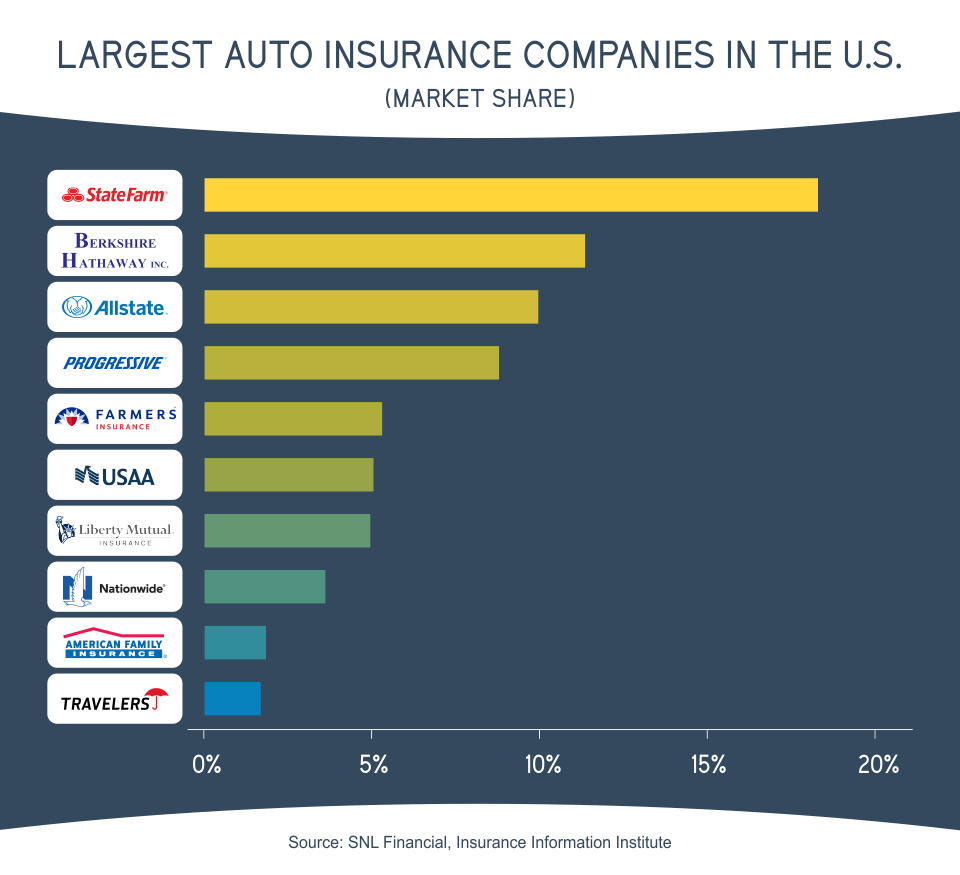
Auto insurance United States represents the collection of policies that protect drivers, passengers, and third parties from financial loss due to traffic incidents. For example, a driver in California who files a claim after a rear‑end collision relies on a liability policy to cover the other party’s medical bills and vehicle repairs.
The importance of this coverage lies in legal requirements, risk mitigation, and peace of mind. Since the early 20th century, state mandates have evolved, requiring minimum liability limits and encouraging optional comprehensive and collision options to address a broader range of hazards.
This article examines pricing dynamics, state regulations, coverage types, discounts, claim processes, and common pitfalls, providing a roadmap for informed decision‑making.
1. Auto Insurance United States Overview
The United States market features a patchwork of state‑specific regulations, a competitive insurer landscape, and diverse consumer needs. Understanding the baseline requirements and optional enhancements is essential for any driver seeking adequate protection.
- Minimum Liability Limits
Each state sets a floor for bodily injury and property damage coverage. In Florida, the minimum is $10,000 per person and $20,000 per accident, influencing premium calculations and risk exposure.
- Comprehensive Coverage
Protects against non‑collision events such as theft, fire, or natural disasters. A driver in Texas whose vehicle is damaged by a hailstorm would file under this coverage, reducing out‑of‑pocket costs.
- Collision Coverage
Covers damage resulting from a crash with another vehicle or object. A New York commuter whose car strikes a pole benefits from collision coverage to repair structural damage.
- Uninsured Motorist Protection
Provides compensation when the at‑fault driver lacks insurance. In states with high uninsured rates, such as Mississippi, this coverage can be a financial lifeline.
- Personal Injury Protection (PIP)
Offers medical expense and lost‑wage benefits regardless of fault. Michigan’s no‑fault system mandates PIP, shaping policy structures across the state.
2. Pricing Dynamics
Premiums are influenced by driver demographics, vehicle type, credit scores, and geographic risk factors. Younger drivers typically face higher rates due to statistically higher accident frequencies, while safe‑driving discounts can offset costs.
Insurers also employ usage‑based insurance (UBI) programs, installing telematics devices to monitor mileage, speed, and braking patterns. Data‑driven adjustments reward low‑risk behavior with lower premiums, illustrating the cause‑and‑effect relationship between driving habits and cost.
3. State Regulation Landscape
Regulatory bodies such as state insurance departments oversee market conduct, rate approvals, and consumer protections. For instance, California’s Department of Insurance requires transparent rate filings, preventing arbitrary premium hikes.
Differences in mandatory coverage—like PIP in Florida versus no‑fault in Ohio—create varied consumer experiences. Drivers moving between states must adjust policies to meet new legal standards, highlighting the practical significance of regulatory awareness.
4. Discount Opportunities
- Multi‑Vehicle Discount
Bundling several cars under a single policy often yields a 10‑15% reduction. A family in Illinois with three insured vehicles can achieve noticeable savings.
- Good Driver Discount
Maintaining a clean driving record for five years may qualify for a 20% discount, incentivizing safe behavior.
- Safety Feature Discount
Vehicles equipped with anti‑lock brakes, airbags, or collision‑avoidance systems can earn lower rates, reflecting reduced risk.
- Affiliation Discount
Membership in professional organizations or alumni groups often provides exclusive rate reductions.
- Pay‑In‑Full Discount
Choosing to pay the annual premium upfront can shave a few percent off the total cost.
\n
5. Claim Process Essentials
Filing a claim begins with notifying the insurer promptly, providing accident details, police reports, and photographic evidence. Efficient documentation accelerates adjuster assessment and settlement.
After initial evaluation, the insurer may arrange for a repair shop estimate or approve a total‑loss payout based on the vehicle’s actual cash value. Understanding each step minimizes frustration and ensures fair compensation.
6. Common Mistakes to Avoid
- Underinsuring Vehicles
Choosing liability limits below state minimums can expose drivers to significant out‑of‑pocket expenses after a serious crash.
- Ignoring Policy Updates
Failing to adjust coverage after major life events—such as moving or purchasing a new car—leads to gaps in protection.
- Overlooking Discount Eligibility
Many policyholders miss out on savings simply because they never inquire about available discounts.
- Delaying Claim Reporting
Late notification can result in claim denial, especially when evidence deteriorates over time.
- Choosing the Cheapest Policy Blindly
Lowest premiums often sacrifice essential coverage, leaving drivers vulnerable to uncovered losses.
Frequently Asked Questions
Below are concise answers to the most common queries regarding auto insurance United States.
Question 1: What is the minimum required coverage in most states?
Most states mandate a minimum liability limit for bodily injury and property damage, typically ranging from $25,000 to $50,000 per person and $50,000 to $100,000 per accident, though exact figures vary by jurisdiction.
Question 2: How does a driver’s credit score affect premiums?
Insurers often use credit-based insurance scores to predict risk; higher scores generally result in lower premiums, while lower scores can increase rates by up to 30% in some markets.
Question 3: Are uninsured motorist protections mandatory?
Uninsured motorist coverage is required in several states, such as New York and New Jersey, but remains optional in others, though it is recommended due to the high number of uninsured drivers nationwide.
Question 4: What is the advantage of usage‑based insurance?
Usage‑based programs reward low mileage and safe driving habits with reduced premiums, offering a personalized pricing model that can lower costs for disciplined drivers.
Question 5: Can policyholders add roadside assistance?
Many insurers offer optional roadside assistance endorsements, providing services like towing, battery jump‑starts, and lockout help for an additional monthly fee.
Question 6: How often should coverage be reviewed?
Policy reviews are advisable after major life changes, vehicle purchases, or annually during renewal to ensure limits, discounts, and endorsements remain optimal.
Tips for Smarter Auto Insurance United States Decisions
Implement these actionable steps to maximize coverage value and minimize cost.
Tip 1: Compare at least three quotes annually to capture market shifts.
Tip 2: Bundle auto with home or renters insurance for multi‑policy discounts.
Tip 3: Enroll in a usage‑based program if mileage is low and driving is cautious.
Tip 4: Increase deductible only if comfortable with higher out‑of‑pocket expense.
Tip 5: Verify that safety‑feature discounts are applied after vehicle upgrades.
Tip 6: Review and update named‑insured lists after marital or employment changes.
Tip 7: Keep a digital copy of the policy and claim documents for quick access.
Tip 8: Ask about credit‑score improvement programs that may lower rates.
Tip 9: Consider adding uninsured motorist coverage even in states where it is optional.
Tip 10: Schedule a policy audit with an independent agent before renewal.
Conclusion
The United States auto insurance landscape intertwines state regulations, pricing variables, and consumer options. By grasping coverage fundamentals, discount mechanisms, and claim procedures, drivers can secure appropriate protection while controlling costs.
Staying informed and proactive ensures that future policy choices remain aligned with evolving needs and regulatory changes, fostering long‑term financial security on the road.

