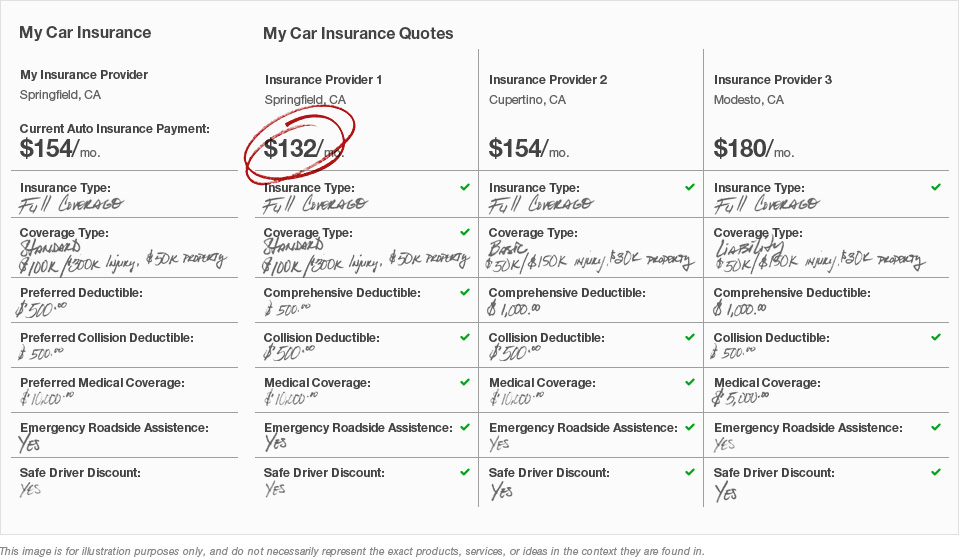
Getting auto insurance quotes online compare has become a cornerstone of smart financial planning for drivers. This process involves requesting and comparing multiple insurance quotes from providers like Geico, Progressive, or State Farm through digital platforms, enabling consumers to find the most affordable and suitable coverage. For example, a driver in Dallas might compare a $1,200 annual premium from Company A with a $950 offer from Company B after adjusting deductibles and adding optional comprehensive coverage. Beyond cost savings, auto insurance quotes online compare empowers individuals to match their policies with specific needs—such as uninsured motorist protection or roadside assistance—while avoiding hidden fees or unfair exclusions.
The benefits of comparing quotes online extend beyond immediate savings. Studies from the Insurance Information Institute show that consumers who shop around annually can reduce their premiums by up to 47%. This practice also fosters transparency in an industry historically opaque about pricing algorithms, which often weigh factors like credit scores, driving history, and vehicle make. Historically, insurance shopping required physical visits to agents or lengthy phone calls, but today’s digital tools streamline the process, allowing comparisons in minutes. As a result, auto insurance quotes online compare has evolved from a niche practice to a standard expectation for cost-conscious drivers.
This guide explores the intricacies of auto insurance quotes online compare, from understanding how quotes are calculated to identifying the best platforms for accurate comparisons. It also addresses common pitfalls, such as misinterpreting coverage limits or overlooking discounts, and provides actionable steps to maximize savings. Whether a driver is renewing a policy or switching providers, the insights here will ensure informed decisions.
1. How Pricing Dynamics Work
Auto insurance quotes are determined by a complex interplay of risk assessment models developed by insurers. These models evaluate factors like the driver’s age, gender, location, and vehicle type, assigning a risk score that directly influences premiums. For instance, a 25-year-old in a high-crash urban area may pay more than a 50-year-old in a rural zone with a clean driving record. Insurers also adjust rates based on seasonal data—flood-prone regions see higher water damage coverage costs, while winter states may prioritize collision protection.
The pricing structure often includes base rates set by state regulators, which vary widely. In Texas, for example, liability coverage averages $1,200 annually, while California’s rates exceed $2,000 due to higher liability claims. Discounts further modify these rates, such as bundling home and auto policies or installing anti-theft devices. Understanding these dynamics helps drivers anticipate quote variations and negotiate more effectively.
2. Key Features of Online Comparison Tools
Online comparison tools like InsuranceQuotes or The Zebra aggregate quotes from multiple insurers, but their effectiveness depends on accuracy and transparency. These platforms typically require basic driver details—name, address, vehicle VIN—and may ask about coverage preferences. However, some tools lack depth, failing to account for regional insurer preferences or niche coverages like gap insurance. For example, a tool might list a quote from Farmers Insurance but omit its local agent’s knowledge of community discounts.
Advanced tools integrate real-time data, such as credit scores from Experian, to refine quotes. Others offer side-by-side comparisons with visual charts, making it easier to spot discrepancies. Drivers should verify whether the tool includes independent agents or only direct insurers, as agent networks may uncover overlooked savings. Transparency in how data is used—such as whether quotes are tied to third-party tracking—is also critical.
3. Common Mistakes When Comparing Quotes
Comparing auto insurance quotes online can go awry if drivers overlook critical details. One frequent error is assuming all quotes are apples-to-apples, even when coverage limits differ. For example, a $1,000 quote from Company X might include $50,000 bodily injury liability, while Company Y’s $900 quote caps coverage at $25,000. Another mistake is ignoring deductibles—higher deductibles lower premiums but increase out-of-pocket costs in claims. A driver choosing a $200 deductible might save $300 annually but face $2,000 in repairs after a minor accident.
Common Pitfalls and Their Impact:
- Ignoring Exclusions. Some quotes exclude coverage for rental cars or personal injury protection, which can leave drivers vulnerable. For instance, a road trip to Mexico might void standard U.S. policies, requiring supplemental coverage. This oversight can lead to denied claims and financial strain during emergencies.
- Overlooking Discounts. Drivers often miss discounts like safe driver rewards or loyalty programs. A policyholder with a clean record for five years might qualify for a 20% discount but forgets to mention it, paying $400 more annually. Discounts can compound, especially when bundling multiple policies.
- Assuming Lower Price Equals Better Value. The cheapest quote may lack essential coverages or have poor customer service ratings. A $700 quote from a company with a 1.2-star rating on BBB might seem appealing but could result in lengthy claim resolutions. Prioritizing value over cost ensures long-term satisfaction.
- Not Updating Personal Information. Drivers often forget to update quotes after life changes, such as moving to a new ZIP code or adding a teen driver. A quote from last year might no longer reflect current risk factors. Insurers recalculate rates annually, so outdated information can lead to overpaying.
- Skipping the Fine Print. Some quotes include hidden fees or surcharges for services like accident forgiveness or vanishing deductibles. A quote might list $800 but add $150 for optional services, inflating the total cost. Reading the policy terms prevents unexpected charges.
4. Best Practices for Accurate Comparisons
To ensure accurate comparisons, drivers should standardize the coverage details across all quotes. This means selecting identical liability limits—such as $50,000/$100,000 for bodily injury—and matching deductibles. For example, comparing a $1,200 quote with $500 deductibles to a $1,100 quote with $1,000 deductibles isn’t fair; the latter may appear cheaper but could cost more in the event of a claim. Additionally, drivers should request quotes from both national insurers (e.g., Allstate) and regional providers (e.g., local mutual companies), as regional insurers often serve niche markets better.
Another best practice is to compare quotes at the same time of year, as seasonal fluctuations—such as higher rates in winter for snow-related claims—can skew results. Drivers should also consider the insurer’s claim settlement history, as quick payouts during accidents are more valuable than low premiums. Tools like J.D. Power rank insurers by customer satisfaction, helping drivers balance cost with service quality.
5. How to Leverage Discounts
Discounts are a driver’s best ally when comparing auto insurance quotes online, potentially slashing premiums by 25% or more. Common discounts include safe driver rewards, anti-theft device incentives, and multi-policy bundling. For instance, bundling auto and home insurance with State Farm could yield a 10% discount, while installing a GM OnStar system might qualify for a 10% reduction in collision coverage. Less obvious discounts include paying annually instead of monthly or maintaining good grades for student drivers.
Drivers should proactively ask insurers about all available discounts, as some are automatically applied while others require verification. For example, a driver might qualify for a low-mileage discount by proving they drive less than 7,500 miles annually but forgets to submit mileage logs. Tracking discounts over time can reveal patterns—such as higher savings from usage-based programs like Progressive’s Snapshot—allowing drivers to switch providers strategically.
6. The Role of Credit Scores
Credit scores play a surprisingly significant role in auto insurance quotes, with insurers in most states using them to gauge financial responsibility. A driver with a 750 credit score might pay 20% less than someone with a 600 score, according to data from Experian. This correlation stems from the assumption that better credit correlates with lower risk of filing claims. For example, a driver in Florida with a 680 credit score might see a $1,500 quote, while a neighbor with a 780 score could secure a $1,200 policy for identical coverage.
The impact of credit scores varies by state, with California and Hawaii banning insurers from using credit-based insurance scores. In other states, drivers can improve their scores by paying bills on time, reducing debt, and disputing errors on their credit report. Even a modest improvement—from 650 to 700—can lower premiums by hundreds of dollars annually. Drivers should request their credit report before comparing quotes to understand how their score might affect rates.
7. Regional Variations in Quotes
Auto insurance quotes vary dramatically by region due to factors like crime rates, weather risks, and state regulations. For example, drivers in Miami pay nearly double the national average for collision coverage due to high theft rates and hurricanes, while those in rural Nebraska enjoy lower rates. State mandates also play a role—New York’s strict no-fault laws increase premiums, whereas Texas’s lower liability minimums keep costs down. Comparing quotes across regions reveals how local conditions shape pricing.
Within a state, ZIP codes can further influence quotes. A driver in a high-crash area of Los Angeles might pay $1,800 annually, while someone just miles away in a safer suburb could find a $1,200 quote. Insurers use ZIP code data to assess neighborhood risk, so drivers should check quotes for their exact location. Tools like ValuePenguin provide regional benchmarks, helping drivers identify overpriced markets.
8. The Impact of Vehicle Type
The make, model, and age of a vehicle directly impact insurance quotes, as insurers categorize cars based on repair costs, theft rates, and safety ratings. A 2023 Tesla Model 3, for example, might cost $1,500 annually due to high repair expenses, while a 2010 Honda Civic could be quoted at $800. Safety features like anti-lock brakes and airbags reduce rates, as they lower collision claim frequencies. Even within the same model year, options like leather seats or premium sound systems can increase premiums by inflating repair costs.
Newer vehicles often command higher quotes due to their value, but older cars may qualify for lower rates if they’re paid off. Insurers also consider the vehicle’s theft risk—luxury cars like BMWs and Mercedes often see higher quotes due to their appeal to thieves. Drivers should research their vehicle’s insurance group rating (e.g., from III) to understand its impact on quotes. Upgrading to a safer or less expensive model can yield significant savings.
Frequently Asked Questions
Understanding auto insurance quotes online compare often raises specific questions about the process and its nuances.
Question 1: How often should I compare auto insurance quotes online?
Drivers should compare quotes annually or whenever major life changes occur, such as moving, adding a driver, or purchasing a new car. Market conditions also warrant periodic checks—insurers adjust rates quarterly based on claims data. Comparing quotes every six months ensures competitive pricing without overburdening the process.
Question 2: Are online quote comparisons secure?
Reputable comparison tools use encrypted connections (HTTPS) to protect personal data, but drivers should verify a site’s security certifications before entering details. Avoid platforms that request excessive information or lack clear privacy policies. Stick to well-known aggregators like NerdWallet or insurer websites, which prioritize data security.
Question 3: Can I get a better quote by calling the insurer directly?
Calling directly can sometimes yield better quotes, as agents may offer discounts not visible online or adjust rates based on loyalty. However, online tools provide a broader range of options. Drivers should compare both methods—online quotes for breadth, direct calls for negotiation leverage—and choose the lowest verified rate.
Question 4: What’s the difference between a quote and a policy?
A quote is an estimate based on provided information, while a policy is the legally binding contract after underwriting. Quotes may change once insurers verify details like driving history or vehicle usage. Always confirm the final policy terms before committing, as quotes can differ from the approved premium.
Question 5: How do usage-based insurance programs affect quotes?
Programs like Progressive’s Snapshot or Allstate’s Drivewise track driving habits—such as speed and braking—to adjust quotes dynamically. Safe drivers with low-risk behaviors can see discounts of 10–30%. However, poor driving habits may increase rates. These programs require installing a telematics device or app, which some drivers find intrusive.
Question 6: Can I compare quotes for multiple vehicles at once?
Yes, most comparison tools allow bundling quotes for multiple cars under one policy, which can unlock multi-vehicle discounts. For example, insuring two cars with Geico might reduce the total premium by 15% compared to separate policies. Drivers should ensure each vehicle’s details are accurately entered to avoid discrepancies in the final quotes.
14 Proven Tips to Optimize Your Auto Insurance Quotes Online Compare
Maximizing savings during auto insurance quotes online compare requires strategic preparation and attention to detail.
Tip 1: Gather all vehicle and driver details beforehand. Insurers need accurate information to generate precise quotes. Collect details like VIN, mileage, and driving history to avoid delays or errors.
Tip 2: Use the same coverage limits across all quotes. Standardizing limits ensures fair comparisons. For example, always compare $100,000 bodily injury liability quotes to identify true cost differences.
Tip 3: Check for regional insurers in your area. Local providers may offer better rates for niche markets. A quick search for “[Your City] auto insurance” can uncover hidden options.
Tip 4: Ask about all available discounts upfront. Insurers often apply discounts automatically, but some require proactive requests. Inquire about safe driver, bundling, or low-mileage discounts.
Tip 5: Compare quotes at the same time of year. Seasonal fluctuations can skew results. Request quotes in the same month to account for stable rate adjustments.
Tip 6: Verify the insurer’s financial strength ratings. Ratings from AM Best or Moody’s indicate reliability. Avoid insurers with low ratings, as they may struggle to pay claims.
Tip 7: Read customer reviews for claim satisfaction. Low premiums are meaningless if claims are denied or delayed. Check ConsumerAffairs for insurer feedback.
Tip 8: Consider usage-based insurance if you’re a safe driver. Programs like Snapshot can lower rates by tracking responsible driving. Ensure the device or app aligns with your privacy preferences.
Tip 9: Avoid unnecessary coverages. Optional add-ons like gap insurance or roadside assistance may not be worth the cost. Evaluate whether they’re essential for your situation.
Tip 10: Negotiate with insurers after comparing quotes. Present lower quotes from competitors to incentivize discounts. Some insurers will match or beat competing rates.
Tip 11: Update your quote information annually. Life changes—like a new job or home purchase—can qualify you for new discounts. Re-evaluate your policy every year.
Tip 12: Bundle auto and home insurance for savings. Many insurers offer multi-policy discounts of 10–25%. Consolidating policies simplifies management and reduces costs.
Tip 13: Pay annually instead of monthly if possible. Annual payments often include discounts, and they avoid interest charges from monthly installments.
Tip 14: Review your policy annually for better rates. Even if you’re satisfied with your insurer, annual reviews ensure you’re not overpaying. Rates change, and new discounts may become available.
Conclusion
Auto insurance quotes online compare is a powerful tool for drivers seeking both affordability and comprehensive coverage. The process hinges on understanding how insurers calculate rates, leveraging discounts, and avoiding common pitfalls like misaligned coverage limits or overlooked exclusions. By standardizing comparisons, researching regional and vehicle-specific factors, and proactively negotiating, drivers can secure policies that align with their needs and budget. The key lies in treating the comparison process as an ongoing evaluation—one that adapts to life changes and market shifts.
The future of auto insurance quotes online compare will likely see even greater integration of technology, such as AI-driven tools that predict rate trends or blockchain for transparent claim processing. As these innovations emerge, drivers who stay informed and strategic will continue to reap the rewards of a competitive insurance market. The goal isn’t just to find the lowest quote but to build a policy that offers peace of mind as well as savings.

